
CloudBurn vs diffray
Side-by-side comparison to help you choose the right AI tool.

CloudBurn
CloudBurn shows AWS costs before you deploy to prevent surprise bills.
Last updated: March 1, 2026

diffray
Diffray's AI agents catch real bugs in your code, not just nitpicks.
Last updated: February 28, 2026
Visual Comparison
CloudBurn
diffray
Feature Comparison
CloudBurn
Automated Pull Request Cost Analysis
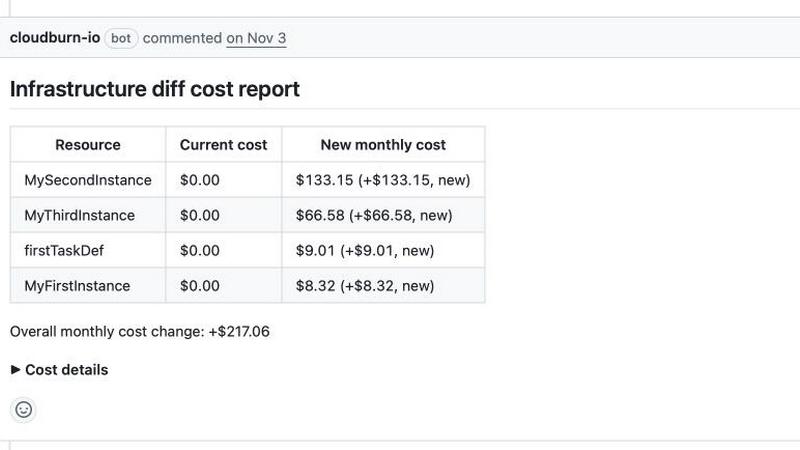
CloudBurn integrates directly into your GitHub workflow to provide instant cost intelligence. Whenever a developer opens a pull request with Terraform or AWS CDK changes, CloudBurn automatically detects the infrastructure diff. It processes this data, calculates the exact monthly cost delta for the new or modified resources, and posts a detailed, easy-to-read cost report as a comment on the PR. This happens within seconds, giving your team immediate financial context without any manual intervention, making cost awareness a natural part of every code review.
Real-Time AWS Pricing Data
Your cost estimates are always accurate and up-to-date. CloudBurn does not rely on stale, averaged, or estimated pricing. Instead, it pulls real-time pricing data directly from AWS Price List API for the specific region and service you are deploying to. This ensures that the monthly cost projections in your pull requests reflect the actual rates you will be charged, accounting for nuances like instance types, storage volumes, and data transfer costs, so you can make decisions with complete confidence.
Detailed & Actionable Cost Reports
The platform goes beyond a simple total. Each CloudBurn PR comment breaks down the cost impact per resource, showing the current cost, the new projected cost, and the delta. It lists the specific AWS service, usage type, description, and hourly rate for complete transparency. This granular detail helps developers understand exactly which line of code is driving cost increases and facilitates productive conversations about optimization alternatives right at the point of change.
Seamless GitHub Integration & Security
Getting started is incredibly simple and secure. You install CloudBurn directly from the GitHub Marketplace, and all billing, setup, and permissions are handled 100% through GitHub. There are no separate logins, API keys to manage for the core service, or complex IAM roles required on your AWS account initially. This GitHub-native approach minimizes setup friction, leverages your existing security model, and gets your team protected from cost overruns in minutes.
diffray
Multi-Agent AI Architecture
diffray's core innovation is its team of over 30 specialized AI agents. Instead of one model attempting to be a jack-of-all-trades, each agent is a master in a specific domain, such as security, performance, or bug detection. This architecture allows for deep, parallel analysis of your code, ensuring feedback is expert-level and highly relevant. The system intelligently routes code sections to the appropriate agents, resulting in comprehensive coverage that a single model could never achieve.
Full-Repository Context Analysis
diffray moves beyond the limited view of a simple diff. It investigates your entire codebase to understand the full context of a change. This means it can identify how new code interacts with existing functions, spot inconsistencies with project-wide patterns, and detect deeper architectural issues. This context-aware review eliminates generic suggestions and provides insights that are truly specific to your project's structure and standards.
Drastic Reduction in False Positives
By leveraging expert agents and full-context analysis, diffray delivers remarkably precise feedback. It filters out the noise that plagues other AI review tools, achieving an 87% reduction in false positives. This allows developers to trust the platform's alerts and focus their energy on addressing genuine, critical issues rather than debating incorrect or irrelevant suggestions, streamlining the entire review workflow.
Seamless GitHub Integration
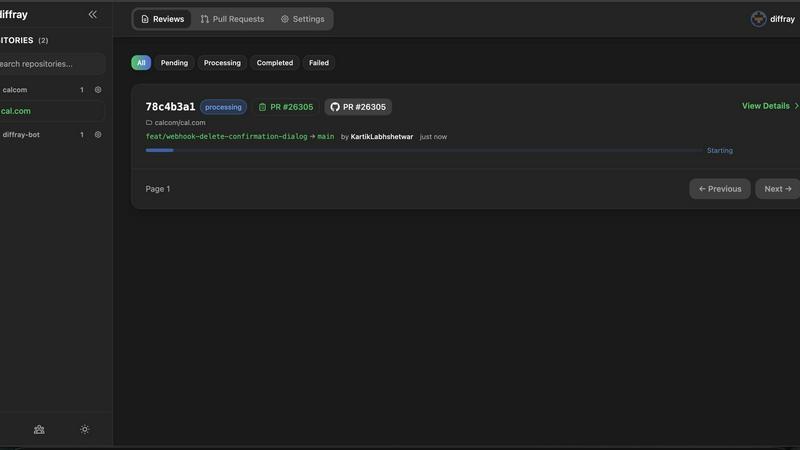
Designed for a frictionless developer experience, diffray integrates directly into your existing GitHub workflow. Setup is simple and requires minimal configuration. Once connected, it automatically reviews pull requests, posting comments directly on the relevant lines of code. This native integration means there's no need to switch contexts or learn a new interface; intelligent review becomes a natural part of your team's standard development process.
Use Cases
CloudBurn
Preventing Costly Misconfigurations in PR Reviews
The primary use case is catching expensive mistakes before they deploy. A developer might accidentally specify a t3.xlarge instance instead of a t3.micro, or provision a storage volume with excessive provisioned IOPS. Without CloudBurn, this error would silently go live and rack up thousands of dollars. With CloudBurn, the $200+ monthly cost spike is highlighted directly in the pull request, allowing the team to question and correct the configuration during review, preventing a budget surprise.
Enabling Cost-Aware Architecture Decisions
CloudBurn provides the data needed for informed trade-offs between performance, resilience, and cost. During a PR review for a new microservice, teams can discuss whether the proposed Fargate configuration with 4 vCPUs is necessary or if 2 vCPUs would be sufficient, using the immediate cost difference provided by CloudBurn. This embeds FinOps principles directly into the design phase, fostering a culture where cost efficiency is a key architectural consideration.
Streamlining Infrastructure Code Refactoring
When teams need to upgrade, scale, or refactor existing infrastructure, CloudBurn provides clear cost impact analysis. Whether you're migrating to Graviton instances, changing database tiers, or modifying auto-scaling rules, you can create a pull request and instantly see the financial implication of the change. This removes guesswork and spreadsheets, making refactoring projects predictable and financially accountable.
Educating Developers on Cloud Costs
CloudBurn serves as a continuous learning tool for engineering teams. By exposing the direct cost of every EC2 instance, RDS cluster, and Lambda function in the context of their code, developers build an intuitive understanding of cloud pricing. Over time, this leads to developers naturally selecting more cost-effective resources and designs from the outset, reducing the need for post-deployment optimization and creating a sustainably efficient cloud environment.
diffray
Accelerating Pull Request Reviews
Development teams use diffray to drastically cut down PR review time. By providing immediate, high-quality AI feedback as soon as a PR is opened, it gives reviewers a head start and authors actionable items to address early. Teams report reducing average weekly PR review time from 45 minutes to just 12 minutes, allowing them to merge code faster and maintain a rapid development pace without bottlenecks.
Enforcing Code Quality & Best Practices
diffray acts as a consistent, automated guardian of code quality. Its specialized agents continuously check for adherence to best practices, architectural patterns, and style guides across every pull request. This is especially valuable for growing teams or open-source projects, ensuring all contributions maintain a high standard and reducing the stylistic and structural debates that often slow down human reviewers.
Proactive Security & Vulnerability Detection
Security teams and developers leverage diffray's dedicated security agents to catch vulnerabilities early in the development cycle. By analyzing code changes in the context of the entire application, it can identify potential security flaws, insecure dependencies, and common vulnerability patterns before they reach production, shifting security left and making applications more robust by design.
Onboarding New Team Members
New engineers can use diffray as an always-available mentor. As they submit their first pull requests, diffray provides instant, educational feedback on code structure, project-specific patterns, and potential improvements. This accelerates the onboarding process, helps new hires align with team standards quickly, and reduces the initial review burden on senior developers.
Overview
About CloudBurn
CloudBurn is a proactive cost intelligence platform built for modern engineering teams. It is specifically designed for developers and DevOps engineers who use Infrastructure-as-Code (IaC) tools like Terraform or AWS CDK to manage their cloud infrastructure. The core mission of CloudBurn is to shift cloud cost management left, integrating it directly into the developer's existing workflow. The traditional model of cloud spending is broken: teams are often blindsided by budget overruns weeks after deployment, when costly resources are already running and the money is spent. CloudBurn changes this reactive paradigm by providing immediate, actionable cost feedback during the code review process. It automatically analyzes infrastructure changes in pull requests, calculates the precise monthly cost impact using real-time AWS pricing data, and posts a clear report as a comment. This empowers developers to have informed discussions about cost versus performance, optimize configurations, and prevent expensive mistakes before code is merged and deployed. By embedding cost visibility seamlessly into GitHub, CloudBurn enables automated FinOps, fosters a cost-aware engineering culture, and delivers immediate return on investment by catching misconfigurations that would otherwise silently inflate the AWS bill.
About diffray
diffray is a revolutionary AI-powered code review platform designed for modern development teams who value speed without sacrificing quality. It cuts through the clutter of generic AI feedback by deploying a sophisticated multi-agent architecture. Unlike tools that rely on a single AI model, diffray utilizes over 30 specialized AI agents, each an expert in a specific domain like security vulnerabilities, performance bottlenecks, bug patterns, code best practices, and even SEO considerations. This targeted, investigative approach allows diffray to deeply understand the context of your changes by examining your entire codebase, not just the lines in the pull request diff. The result is precise, actionable insights that are directly relevant to your project. For developers, this means a transformative shift from sifting through speculative, noisy comments to receiving focused, context-aware reviews. Teams using diffray report a dramatic 87% reduction in false positives and a 3x increase in catching critical, real issues early. By integrating seamlessly with GitHub and offering a simple setup, diffray empowers developers to ship higher-quality code faster, turning lengthy review cycles into efficient, high-signal conversations.
Frequently Asked Questions
CloudBurn FAQ
How does CloudBurn calculate the cost estimates?
CloudBurn calculates estimates by analyzing the infrastructure diff from your Terraform plan or AWS CDK synthesis output. It identifies the specific AWS resources being created, modified, or destroyed. Then, it queries the real-time AWS Price List API using the resource's attributes (like instance type, region, and storage size) to fetch the exact On-Demand hourly rate. It extrapolates this to a monthly cost based on 730 hours of continuous operation, providing a clear and accurate projection for planning purposes.
Is my code or cloud credentials secure with CloudBurn?
Yes, security is a foundational principle. CloudBurn is installed via GitHub Marketplace and uses GitHub's OAuth for authentication. Your infrastructure code (the diff/plan output) is sent securely to CloudBurn's service for analysis. Importantly, CloudBurn does not require direct access to your AWS account or production cloud credentials to generate cost estimates. All pricing data is sourced from AWS's public Price List API, keeping your cloud environment isolated.
What IaC tools and cloud providers do you support?
Currently, CloudBurn provides deep, native integration for the two most popular Infrastructure-as-Code frameworks: HashiCorp Terraform and AWS Cloud Development Kit (CDK). It is built specifically for AWS, as it leverages the AWS Price List API for accurate, real-time pricing. Support for additional cloud providers like Azure or GCP would depend on future development and community demand.
What is the difference between the Community and Pro plans?
The Community plan is free forever and provides core cost analysis for pull requests, perfect for getting started. The Pro plan trial unlocks advanced features for 14 days, which may include historical cost tracking, trend analysis, cost allocation tagging insights, and team management features. The Pro plan is designed for teams that need deeper FinOps capabilities and organization-wide visibility to maximize their cloud savings and governance.
diffray FAQ
How does diffray differ from other AI code review tools?
diffray fundamentally differs through its multi-agent architecture. Most tools use a single, general-purpose AI model, which often leads to generic and noisy feedback. diffray employs over 30 AI agents, each a specialist in areas like security, performance, or bugs. This, combined with its analysis of your full codebase context, allows it to provide precise, investigative reviews that dramatically reduce false positives and catch more critical issues.
What programming languages and frameworks does diffray support?
diffray is designed to be versatile and supports a wide range of popular programming languages and frameworks. Its specialized agents are trained to understand the nuances and best practices of different tech stacks. For the most current and detailed list of supported languages, please refer to the official diffray documentation on their website.
Is my code secure with diffray?
Yes. diffray takes code security and privacy seriously. The platform is built with enterprise-grade security practices. You can review their detailed privacy policy and security documentation on their website, which outlines their data handling, encryption standards, and compliance measures to ensure your intellectual property remains protected.
How quickly can my team get started with diffray?
Getting started is incredibly fast and simple. The primary step is integrating diffray with your GitHub organization or repository, a process that takes just a few clicks. There is no complex infrastructure to set up or lengthy configuration required. Once connected, diffray will immediately begin providing intelligent reviews on new pull requests, delivering value from day one.
Alternatives
CloudBurn Alternatives
CloudBurn is a proactive cost intelligence platform for developers, specifically designed to shift cloud cost management left into the code review process. It belongs to the category of FinOps and developer tools that integrate directly into the engineering workflow. Users often explore alternatives for various reasons, such as budget constraints, needing support for different cloud providers or infrastructure tools, or requiring a different set of features like historical analysis or team management capabilities. Finding the right fit depends on your team's specific workflow and goals. When evaluating alternatives, consider how well the tool integrates with your existing development pipeline, the accuracy and depth of its cost estimations, and whether it provides actionable insights that developers can immediately use. The best solution is one that your team will actually adopt and use consistently to prevent cost overruns.
diffray Alternatives
diffray is a specialized AI-powered code review platform in the development tools category. It uses a team of over 30 expert AI agents to catch real bugs and security issues by analyzing your full codebase, not just the changed lines. This approach dramatically reduces false positives and helps developers ship higher-quality code faster. Users often explore alternatives for various reasons. These can include budget constraints, the need for different feature sets, or specific integration requirements with their existing tech stack. Some teams might also be looking for a different approach to AI assistance or a platform that aligns with their team's specific workflow preferences. When evaluating other tools, focus on what matters most for your team's productivity. Key considerations include the accuracy of feedback and the rate of false positives, the depth of code analysis beyond simple line changes, the specialization of the AI in critical areas like security and performance, and how seamlessly the tool integrates into your existing developer workflow without becoming a distraction.