
Dreamflow vs Miget
Side-by-side comparison to help you choose the right AI tool.

Dreamflow
Effortlessly build responsive mobile apps with Dreamflow's AI-driven platform that combines visual design and code.
Last updated: March 1, 2026

Miget
Deploy unlimited services on one flat-rate plan.
Visual Comparison
Dreamflow
Miget
Overview
About Dreamflow
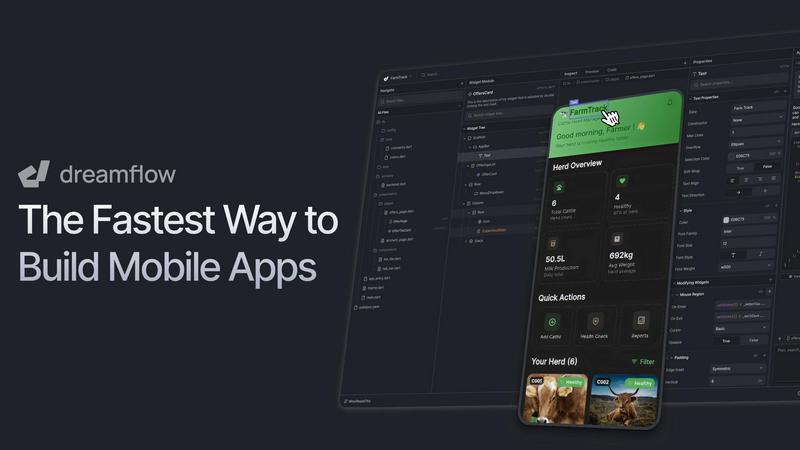
Dreamflow is a revolutionary platform that transforms the mobile app development landscape, catering to both experienced developers and those new to the field. It enables users to effortlessly create powerful applications by merging AI-driven prompts, an intuitive visual editor, and comprehensive control over Flutter code. This unique approach fosters a streamlined workflow where creativity can flourish without the constraints imposed by conventional development methods. Users can embark on their app-building journey from a mere idea, refine it visually, and ultimately export production-ready code that is scalable and primed for deployment. The tri-surface editing experience—integrating AI, visual editing, and code management—ensures that all facets of app development are cohesively synchronized, delivering unmatched flexibility and speed. Whether you are an individual hobbyist or part of a large enterprise, Dreamflow is adaptable to your specific needs, making it the ultimate solution for seamless mobile application development.
About Miget
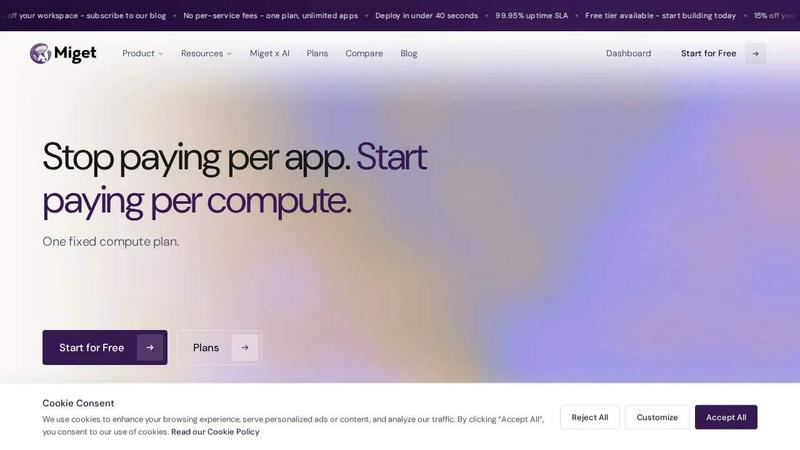
Miget – Stop paying per app. Start paying per compute.
Traditional PaaS platforms charge you for every app, database, and worker separately. Miget flips that model: pick a fixed compute plan, then deploy as many services as you want inside it.
- Unlimited apps, databases, and background workers per plan
- No per-service billing surprises
- Built on Kubernetes with full isolation between tenants
- Deploy from Git, GitHub, Registry with zero-config builds
- Managed PostgreSQL, Redis, and more
- Custom domains with automatic TLS
Whether you're running a single side project or a full production stack, you only pay for the compute you reserve—not the number of things you run on it.