
DevHub vs Skene
Side-by-side comparison to help you choose the right AI tool.

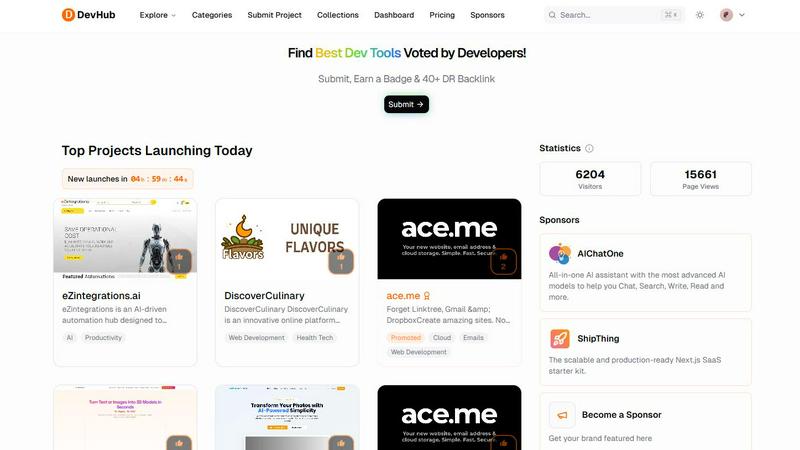
DevHub connects developers to discover and share innovative tech tools while fostering community collaboration.
Last updated: February 28, 2026

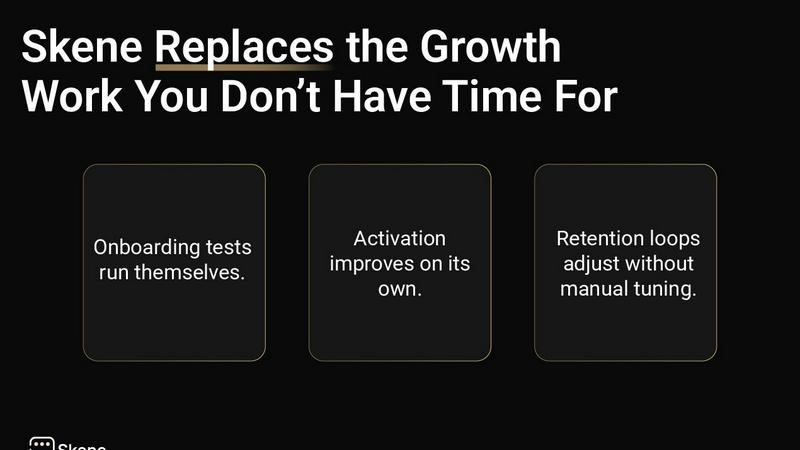
Skene transforms your codebase into a self-driven growth engine that empowers your product and enhances user experience.
Last updated: February 28, 2026
Visual Comparison
DevHub
Skene
Feature Comparison
DevHub
Community Submissions
DevHub allows users to submit their favorite development tools and resources, creating a rich database of innovative solutions. This feature encourages community engagement and helps users discover tools that may otherwise go unnoticed.
Upvoting System
The upvoting mechanism enables users to express their preferences, ensuring that the most valuable tools rise to prominence. This democratic approach helps the community identify high-quality resources quickly and effectively.
Categories and Collections
Users can explore a variety of categories and curated collections tailored to specific development needs. This organization makes it easy to find relevant tools and resources without the hassle of sifting through unrelated content, enhancing the overall user experience.
Real-Time Updates
DevHub features a dynamic interface that showcases the latest projects and tool launches in real time. Users can stay informed about trending technologies and innovations, allowing them to adapt their skills and tools according to the ever-evolving tech landscape.
Skene
Automated Growth Engine
Skene provides a fully automated growth engine that learns from real user interactions within your product. By directly analyzing your codebase, it identifies friction points and opportunities for improvement without the need for manual intervention.
Seamless Codebase Integration
Unlike traditional PLG tools, Skene connects directly to your GitHub or GitLab repository for read-only access. This integration allows it to analyze your codebase and generate onboarding, analytics, and lifecycle automation effortlessly.
Real-Time Analytics Dashboard
Skene features a comprehensive analytics dashboard that tracks user progress, completion rates, and engagement metrics in real-time. It helps identify bottlenecks and measure the impact of improvements, allowing for data-driven optimization of user flows.
Prompt-Driven Implementation
With Skene, developers can utilize prompt-driven implementation for growth strategies. This feature enables users to generate and deploy growth loops and onboarding experiences directly from their coding environment, ensuring a streamlined workflow.
Use Cases
DevHub
Discovering New Tools
Developers seeking to enhance their projects can use DevHub to discover the latest APIs, libraries, and frameworks. This feature allows them to stay competitive and utilize cutting-edge tools that can streamline their workflows.
Networking with Professionals
Tech enthusiasts can leverage the community aspect of DevHub to connect with other professionals in the field. This networking opportunity fosters collaboration, mentorship, and knowledge sharing among users with similar interests.
Validating Tool Choices
Before committing to a new tool, developers can check user feedback and upvotes on DevHub. This community-driven validation helps them make informed decisions, reducing the risk of investing in subpar tools.
Keeping Up with Industry Trends
With real-time updates on new launches and trending projects, users can keep their skills and knowledge aligned with current industry standards. This feature is essential for any developer aiming to remain relevant in a fast-paced technology landscape.
Skene
Enhancing Onboarding Experiences
Skene can transform the onboarding process for new users by automatically detecting and addressing friction points that hinder activation. This ensures a smoother user journey and improves initial engagement.
Driving Feature Adoption
By continuously analyzing user behavior and engagement, Skene identifies which features are underutilized. It then creates targeted prompts and flows to encourage users to explore and adopt these features, enhancing overall product value.
Optimizing Retention Strategies
Skene's real-time analytics allow teams to monitor user retention closely. By identifying drop-off points, it facilitates the deployment of tailored interventions aimed at keeping users engaged over the long term.
Streamlining Product Iterations
For developers working in fast-paced environments, Skene enables rapid iterations of product features. Its automated system ensures that any code changes are reflected in the growth strategies without manual updates or maintenance, allowing for continuous improvement.
Overview
About DevHub
DevHub is an innovative, community-driven platform designed specifically for developers and tech enthusiasts who are eager to stay at the forefront of technology advancements. It serves as a centralized hub where users can explore, submit, and discuss an extensive range of the latest tools, APIs, libraries, frameworks, and SaaS products that can significantly enhance their development projects and workflows. With a user-friendly interface, DevHub empowers its community to submit their favorite tools and upvote submissions, fostering a vibrant ecosystem where the best solutions gain visibility. This platform is invaluable for budding developers, seasoned engineers, and tech-savvy individuals alike. By joining DevHub, users not only stay updated on industry trends but also connect with like-minded professionals, sharing knowledge and insights that contribute to personal and collective growth in the tech landscape.
About Skene
Skene is an innovative AI-powered Product-Led Growth (PLG) infrastructure that revolutionizes how digital products scale and thrive in competitive markets. Designed specifically for indie developers, early-stage startups, and product-led companies, Skene eliminates the need for cumbersome manual A/B testing and reliance on external analytics tools. Instead, it integrates seamlessly with your codebase, providing a self-learning growth engine that observes real user interactions to identify friction points, activation drop-offs, and retention opportunities. By creating, testing, and deploying enhanced user flows automatically, Skene ensures continuous optimization of onboarding, activation, and retention. Its core value proposition lies in transforming growth into code that developers own and control, allowing for performance and data ownership while avoiding the pitfalls of third-party scripts and siloed analytics. With a setup time of less than 60 seconds, Skene acts as a "growth team in a box," empowering builders to enhance product experiences directly from their Integrated Development Environment (IDE).
Frequently Asked Questions
DevHub FAQ
What type of tools can I find on DevHub?
DevHub features a wide range of tools including APIs, development libraries, frameworks, and SaaS products, catering to diverse needs within the tech industry.
How does the upvoting system work?
Users can upvote submissions made by others, with the most upvoted tools gaining prominence on the platform. This system allows the community to highlight the best resources.
Can I submit my own projects to DevHub?
Yes, users are encouraged to submit their favorite tools and projects. This not only helps others discover useful resources but also contributes to the overall growth of the community.
Is there a mobile version of DevHub available?
While the current content does not specify a mobile version, the platform is optimized for a seamless user experience, making it accessible and easy to navigate across different devices.
Skene FAQ
What is PLG software?
PLG (Product-Led Growth) software automates the user journey, allowing users to discover value in your product without needing intervention from sales or customer success teams. It guides users toward activation and drives feature adoption through the product itself.
How is Skene different from traditional customer experience software?
Traditional customer experience tools rely on manual tour creation and maintenance, often using brittle UI overlays. In contrast, Skene analyzes your codebase to generate onboarding and lifecycle automation automatically, updating itself with every code push.
How long does it take to set up?
Setting up Skene takes less than 60 seconds. Simply connect your GitHub or GitLab repository for read-only access, and Skene will analyze your codebase to generate PLG flows without requiring code changes or API modifications.
Is my code secure?
Yes, your code is secure with Skene. The platform requires only read-only access to your repository, and all analysis occurs in a secure, isolated environment to ensure your data remains protected.
Alternatives
DevHub Alternatives
DevHub is a community-driven platform designed specifically for developers and tech enthusiasts, enabling them to discover, share, and discuss innovative tools and projects in the technology space. As a centralized hub, it empowers users to explore a wide range of APIs, development tools, libraries, frameworks, and SaaS products that can enhance their workflows and projects. Users often seek alternatives to DevHub for various reasons, including pricing structures, specific features, or compatibility with their preferred platforms. When searching for a suitable alternative, it’s essential to consider factors such as community engagement, user interface, available resources, and the overall ability to stay updated with industry trends, ensuring the chosen platform meets individual needs effectively.
Skene Alternatives
Skene is an AI-powered Product-Led Growth (PLG) infrastructure designed to optimize digital product growth by transforming codebases into self-learning growth engines. It is an innovative solution for indie developers, early-stage startups, and product-led companies, allowing them to enhance user experiences and drive growth without the complexities of traditional methods like manual A/B testing or hiring specialized teams. Users often seek alternatives to Skene due to various factors, including cost considerations, specific feature requirements, or compatibility with their existing tech stacks. When exploring alternatives, it's essential to evaluate factors such as ease of integration, the comprehensiveness of analytics, and the automation capabilities offered. A strong alternative should provide a seamless experience, enabling developers to maintain control over their growth strategies while delivering an enhanced user journey.