
diffray vs Mod
Side-by-side comparison to help you choose the right AI tool.

diffray
Diffray's AI agents catch real bugs in your code, not just nitpicks.
Last updated: February 28, 2026

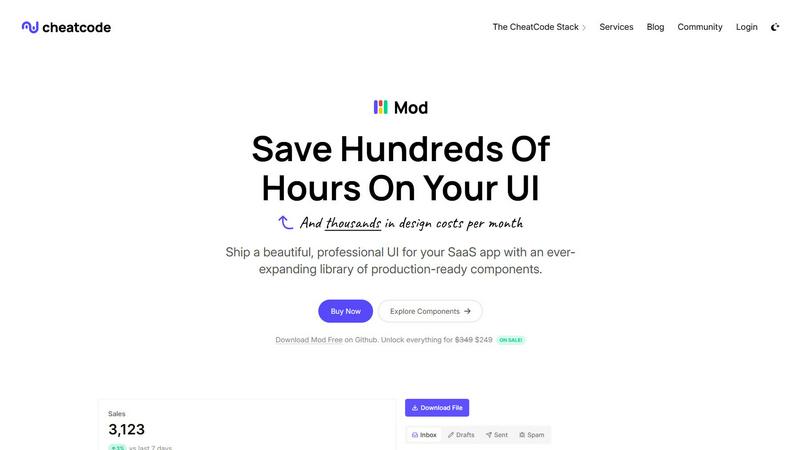
Mod is a CSS framework to build mobile-first SaaS app interfaces fast with ready-made components.
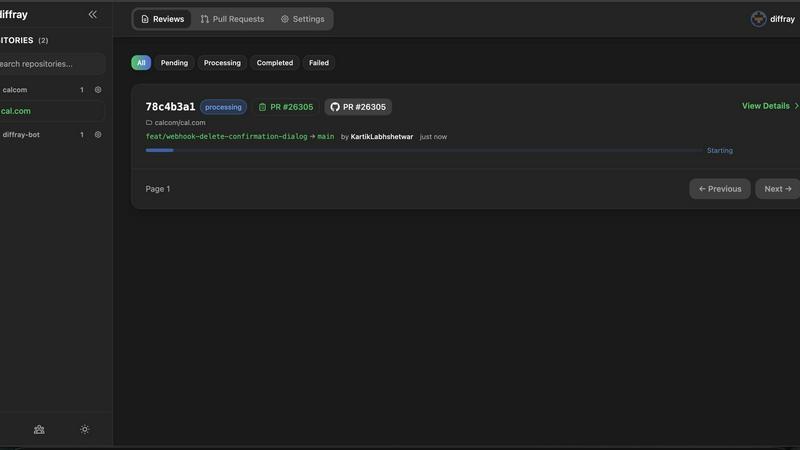
Visual Comparison
diffray
Mod
Feature Comparison
diffray
Multi-Agent AI Architecture
diffray's core innovation is its team of over 30 specialized AI agents. Instead of one model attempting to be a jack-of-all-trades, each agent is a master in a specific domain, such as security, performance, or bug detection. This architecture allows for deep, parallel analysis of your code, ensuring feedback is expert-level and highly relevant. The system intelligently routes code sections to the appropriate agents, resulting in comprehensive coverage that a single model could never achieve.
Full-Repository Context Analysis
diffray moves beyond the limited view of a simple diff. It investigates your entire codebase to understand the full context of a change. This means it can identify how new code interacts with existing functions, spot inconsistencies with project-wide patterns, and detect deeper architectural issues. This context-aware review eliminates generic suggestions and provides insights that are truly specific to your project's structure and standards.
Drastic Reduction in False Positives
By leveraging expert agents and full-context analysis, diffray delivers remarkably precise feedback. It filters out the noise that plagues other AI review tools, achieving an 87% reduction in false positives. This allows developers to trust the platform's alerts and focus their energy on addressing genuine, critical issues rather than debating incorrect or irrelevant suggestions, streamlining the entire review workflow.
Seamless GitHub Integration
Designed for a frictionless developer experience, diffray integrates directly into your existing GitHub workflow. Setup is simple and requires minimal configuration. Once connected, it automatically reviews pull requests, posting comments directly on the relevant lines of code. This native integration means there's no need to switch contexts or learn a new interface; intelligent review becomes a natural part of your team's standard development process.
Mod
Extensive Component Library
Mod provides over 88 meticulously crafted, production-ready components that cover the entire spectrum of SaaS UI needs. This includes complex data tables, interactive forms, navigation bars, modals, cards, stats widgets, user profile sections, and pricing tables. Each component is built with accessibility and semantic HTML in mind, ensuring a solid foundation. This extensive library means you rarely have to build common UI elements from scratch, significantly accelerating your development workflow and maintaining visual consistency across your entire application.
Deep Customization with 168+ Styles
Beyond pre-built components, Mod offers a powerful system of over 168 utility classes and design tokens for granular control over your application's appearance. This system covers spacing, typography, colors, borders, shadows, and flexbox/grid layouts. It allows you to tweak any component or build completely custom layouts while staying within the cohesive design language of the library. This flexibility ensures your app retains a unique brand identity without sacrificing development speed or design consistency.
Framework-Agnostic & Easy Integration
Mod is designed to work seamlessly with virtually any modern web technology stack. It provides plain CSS files and is compatible with frontend frameworks like Next.js, Nuxt, Svelte, and Vite, as well as backend frameworks like Rails and Django. There's no proprietary syntax or complex setup required; you simply link the CSS and start using the classes. This agnostic approach future-proofs your investment and allows teams with diverse tech stacks to standardize their UI layer using a single, reliable system.
Complete Design System with Themes & Icons
Mod is more than just CSS; it's a full design system. It includes two built-in themes (light and dark mode) that are easy to toggle, ensuring your app meets modern user expectations for theme preference. Furthermore, it bundles a library of over 1,500 icons, providing a consistent iconographic style for every possible UI need. Having themes and icons integrated directly into the system eliminates the hassle of sourcing and styling these assets separately, creating a perfectly unified and professional visual experience.
Use Cases
diffray
Accelerating Pull Request Reviews
Development teams use diffray to drastically cut down PR review time. By providing immediate, high-quality AI feedback as soon as a PR is opened, it gives reviewers a head start and authors actionable items to address early. Teams report reducing average weekly PR review time from 45 minutes to just 12 minutes, allowing them to merge code faster and maintain a rapid development pace without bottlenecks.
Enforcing Code Quality & Best Practices
diffray acts as a consistent, automated guardian of code quality. Its specialized agents continuously check for adherence to best practices, architectural patterns, and style guides across every pull request. This is especially valuable for growing teams or open-source projects, ensuring all contributions maintain a high standard and reducing the stylistic and structural debates that often slow down human reviewers.
Proactive Security & Vulnerability Detection
Security teams and developers leverage diffray's dedicated security agents to catch vulnerabilities early in the development cycle. By analyzing code changes in the context of the entire application, it can identify potential security flaws, insecure dependencies, and common vulnerability patterns before they reach production, shifting security left and making applications more robust by design.
Onboarding New Team Members
New engineers can use diffray as an always-available mentor. As they submit their first pull requests, diffray provides instant, educational feedback on code structure, project-specific patterns, and potential improvements. This accelerates the onboarding process, helps new hires align with team standards quickly, and reduces the initial review burden on senior developers.
Mod
Rapid SaaS MVP Development
For startups and solo founders building a minimum viable product, speed is critical. Mod allows you to spin up a professional-looking, fully functional SaaS interface in days, not weeks. You can assemble landing pages, authentication flows, and user dashboards using the pre-built components, enabling you to validate your business idea with real users faster without compromising on initial user experience or perceived quality.
Standardizing UI Across Development Teams
In growing teams, inconsistent UI can become a major pain point. Mod serves as a single source of truth for the UI layer. By adopting Mod, teams can ensure that every new feature, page, or microservice has a consistent look and feel. This reduces design review cycles, minimizes CSS conflicts, and onboard new developers more quickly, as they have a well-documented component library to work from immediately.
Modernizing Legacy Application Interfaces
Many established SaaS products suffer from outdated, non-responsive user interfaces. Mod provides a clear path for a visual overhaul without a complete rewrite. Developers can incrementally replace old CSS with Mod's classes and components, section by section. This allows for a gradual, low-risk modernization that immediately improves mobile responsiveness, accessibility, and overall user satisfaction.
Building Internal Admin Dashboards
Internal tools and admin panels need to be functional and clear, but often don't justify a large design investment. Mod is perfect for this use case. Its data-rich components like tables, charts, and filters allow developers to quickly build powerful, intuitive admin interfaces that are easy for internal teams to use, all while maintaining a clean and professional aesthetic that feels part of the main product family.
Overview
About diffray
diffray is a revolutionary AI-powered code review platform designed for modern development teams who value speed without sacrificing quality. It cuts through the clutter of generic AI feedback by deploying a sophisticated multi-agent architecture. Unlike tools that rely on a single AI model, diffray utilizes over 30 specialized AI agents, each an expert in a specific domain like security vulnerabilities, performance bottlenecks, bug patterns, code best practices, and even SEO considerations. This targeted, investigative approach allows diffray to deeply understand the context of your changes by examining your entire codebase, not just the lines in the pull request diff. The result is precise, actionable insights that are directly relevant to your project. For developers, this means a transformative shift from sifting through speculative, noisy comments to receiving focused, context-aware reviews. Teams using diffray report a dramatic 87% reduction in false positives and a 3x increase in catching critical, real issues early. By integrating seamlessly with GitHub and offering a simple setup, diffray empowers developers to ship higher-quality code faster, turning lengthy review cycles into efficient, high-signal conversations.
About Mod
Mod is a comprehensive, framework-agnostic CSS library designed specifically for building modern, polished SaaS application user interfaces. It moves beyond generic component kits by providing a complete design system tailored for the unique needs of software-as-a-service products, from complex dashboards to customer-facing landing pages. Built with a mobile-first and app-centric philosophy, Mod ensures that every interface you create delivers an exceptional user experience across all devices right from the start. It is crafted for solo developers, startups, and development teams who need to ship professional-grade applications faster without the overhead of custom CSS or expensive design resources. By offering a vast library of pre-styled, responsive components and utilities, Mod drastically reduces design debt and front-end development time, allowing you to focus on core application logic and business value. Its core value proposition is enabling developers to build visually consistent, highly functional, and user-friendly SaaS interfaces with minimal effort.
Frequently Asked Questions
diffray FAQ
How does diffray differ from other AI code review tools?
diffray fundamentally differs through its multi-agent architecture. Most tools use a single, general-purpose AI model, which often leads to generic and noisy feedback. diffray employs over 30 AI agents, each a specialist in areas like security, performance, or bugs. This, combined with its analysis of your full codebase context, allows it to provide precise, investigative reviews that dramatically reduce false positives and catch more critical issues.
What programming languages and frameworks does diffray support?
diffray is designed to be versatile and supports a wide range of popular programming languages and frameworks. Its specialized agents are trained to understand the nuances and best practices of different tech stacks. For the most current and detailed list of supported languages, please refer to the official diffray documentation on their website.
Is my code secure with diffray?
Yes. diffray takes code security and privacy seriously. The platform is built with enterprise-grade security practices. You can review their detailed privacy policy and security documentation on their website, which outlines their data handling, encryption standards, and compliance measures to ensure your intellectual property remains protected.
How quickly can my team get started with diffray?
Getting started is incredibly fast and simple. The primary step is integrating diffray with your GitHub organization or repository, a process that takes just a few clicks. There is no complex infrastructure to set up or lengthy configuration required. Once connected, diffray will immediately begin providing intelligent reviews on new pull requests, delivering value from day one.
Mod FAQ
Is Mod a JavaScript framework or a CSS library?
Mod is exclusively a CSS library. It provides styling, components via CSS classes, and design tokens. It does not include JavaScript behavior for interactive components like dropdowns or modals. This intentional design keeps it lightweight and flexible, allowing you to use your preferred JavaScript framework (like React, Vue, or Svelte) to add functionality while Mod handles all the visual presentation and responsive layout.
How does Mod handle responsiveness and mobile-first design?
Mod is built from the ground up with a mobile-first approach. Every component and utility class is designed to look and function perfectly on small screens first. Responsive modifiers are then used to adapt the layout for larger breakpoints. This ensures your SaaS application delivers an optimal user experience on smartphones and tablets by default, which is crucial for user onboarding and engagement in today's mobile-centric world.
Can I customize the colors and branding to match my company?
Absolutely. While Mod comes with beautiful default themes, it is built for customization. The library uses CSS custom properties (variables) for its core color palette, typography, and spacing. You can easily override these variables in your own stylesheet to align the entire component library with your brand's primary colors, secondary colors, fonts, and more, ensuring a unique brand identity.
What is included in the yearly updates?
The yearly update guarantee ensures your license includes all new components, features, and improvements released for Mod within a year of your purchase. This means the library evolves with modern design trends and web standards, and you receive these updates at no additional cost. It protects your investment and ensures your application's UI foundation remains current and supported.