
OGimagen vs qtrl.ai
Side-by-side comparison to help you choose the right AI tool.

AI-powered generator for beautiful Open Graph images

qtrl.ai
qtrl.ai empowers QA teams to scale testing with AI while maintaining control, governance, and seamless integration.
Last updated: March 4, 2026
Visual Comparison
OGimagen
qtrl.ai
Overview
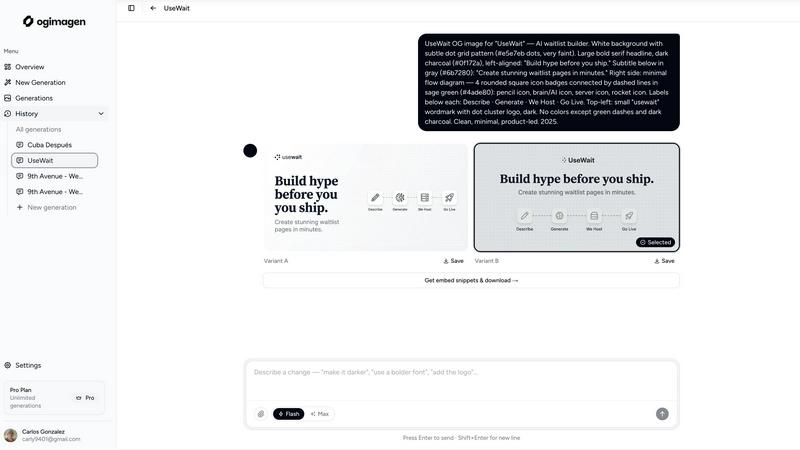
About OGimagen
OGImagen helps you generate beautiful Open Graph images in seconds using artificial intelligence. You can create production-ready social cards compatible with any framework, ensuring your links look professional whenever they are shared. This tool simplifies the process of making engaging preview images for your website or application, helping you improve click-through rates on social platforms with minimal effort.
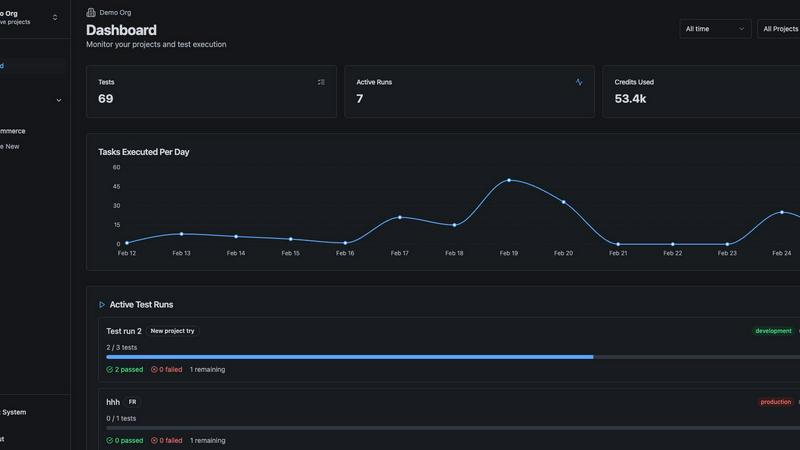
About qtrl.ai
qtrl.ai is an innovative quality assurance (QA) platform that empowers software teams to elevate their QA processes without compromising on control or governance. By merging robust test management capabilities with advanced AI automation, qtrl.ai serves as a centralized hub for organizing test cases, planning test runs, tracing requirements to coverage, and monitoring quality metrics through intuitive real-time dashboards. This comprehensive structure provides engineering leads and QA managers with clear insights into testing progress, pass rates, and potential risks. What sets qtrl.ai apart is its progressive AI layer, allowing teams to gradually implement intelligent automation. Starting with manual test management, teams can evolve to leverage autonomous agents that generate UI tests from simple English descriptions, adapt to application changes, and execute tests across various browsers and environments. This flexibility makes qtrl.ai ideal for product-driven engineering teams, QA departments moving past manual testing, organizations modernizing their legacy workflows, and enterprises with stringent compliance needs. Ultimately, qtrl.ai bridges the divide between the slow nature of manual testing and the complexities of traditional automation, providing a reliable pathway toward faster and more intelligent quality assurance.