
Big Apple Collects vs Video Database
Side-by-side comparison to help you choose the right AI tool.

Big Apple Collects
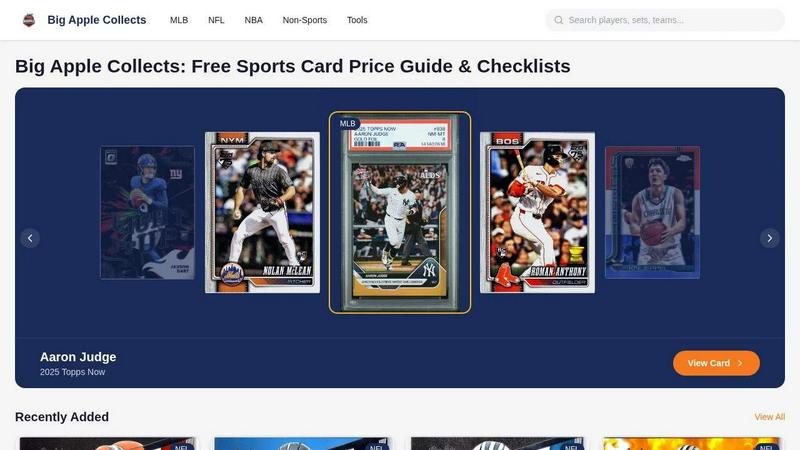
Big Apple Collects is your free mobile app to instantly lookup sports card values and browse checklists to optimize your eBay sales.
Last updated: April 4, 2026

Video Database
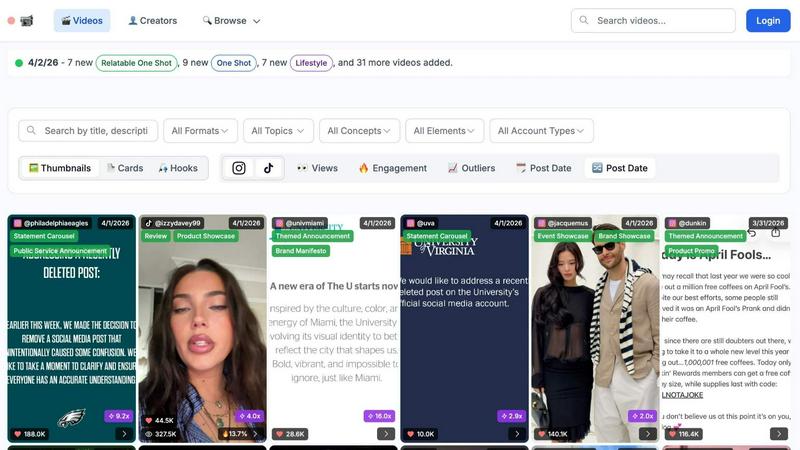
Monitors and organizes high-value creator videos.
Visual Comparison
Big Apple Collects
Video Database
Overview
About Big Apple Collects
Big Apple Collects is the ultimate mobile-first toolkit designed for the modern sports card collector and eBay seller. It streamlines the entire process of managing, valuing, and selling a card collection, all from the convenience of your phone or tablet. The platform serves as a comprehensive, free-to-use hub that eliminates the need for multiple subscriptions and scattered resources. At its core, it provides a massive, searchable database with live eBay market data, allowing users to instantly look up the current value of any baseball, football, or basketball card. Beyond pricing, it offers an extensive library of over 600 official checklists from major brands like Topps, Panini, Bowman, and Upper Deck, making collection tracking effortless. For sellers, Big Apple Collects includes powerful AI-driven tools to generate optimized eBay listing titles and create professional-grade images, including front/back combos and binder showcase grids. It’s built for anyone from the casual hobbyist pricing their childhood collection to the serious seller optimizing their eBay storefront, delivering everything needed in one intuitive, accessible, and completely free platform.
About Video Database
The Video Database began as an internal solution to a common frustration: as creators and content strategists we need to "study the best," but this typically means endless scrolling through social platforms riding the algo waves - good or bad. Nobody needs more of that.
Cut30, our short-form video bootcamp, maintains hundreds of hand-curated reference videos throughout its curriculum—valuable examples embedded within tutorials, exercises, and lessons. However, these references were scattered across the platform without centralized organization or analysis. What started as simply organizing and categorizing those videos, was a slippery slope.