
dmaya vs Nano AI
Side-by-side comparison to help you choose the right AI tool.

dmaya
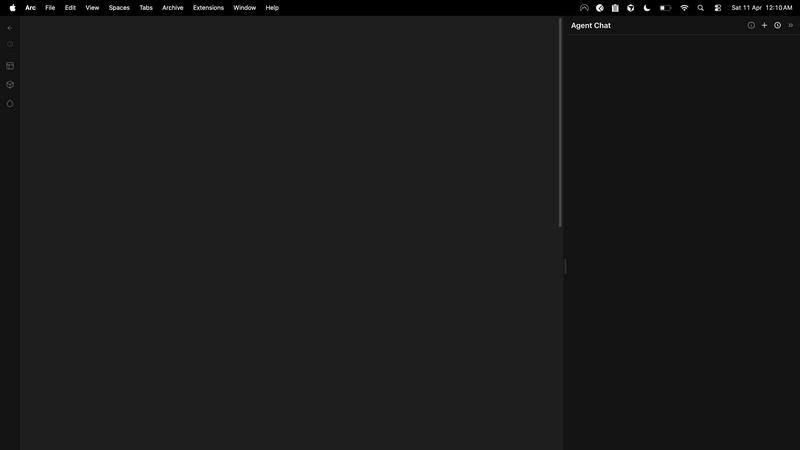
dMaya is the AI design platform that helps teams generate client-ready UI and export to code.
Last updated: April 13, 2026

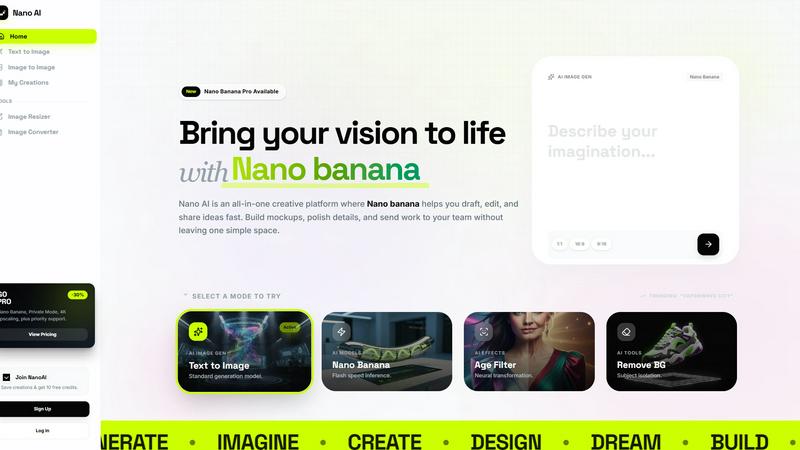
Nano AI is your all-in-one creative app for rapid AI image generation, editing, and seamless teamwork in one space.
Last updated: February 28, 2026
Visual Comparison
dmaya
Nano AI
Feature Comparison
dmaya
Conversational AI Design Generation
Describe your vision for a SaaS dashboard, e-commerce flow, or mobile app in plain text. dMaya's AI agent interprets your description and generates complete, professional UI designs with proper layouts, component systems, and responsive considerations in seconds. This foundational feature turns abstract ideas into tangible visual starting points instantly, eliminating the blank canvas problem.
Real-Time Iteration via Chat
Refine your designs through natural conversation. Simply ask the AI to change colors, swap layouts, adjust typography, or add new sections. Every change is applied instantly and precisely, allowing for rapid exploration of different visual directions without manual dragging, dropping, or styling. This conversational interface makes iteration feel intuitive and fast.
Client Review & Feedback Links
Share any design with clients or stakeholders through a single, secure preview link. Recipients can view the interactive design in their browser and leave feedback directly, with no account or login required. This feature centralizes communication, eliminates email chains, and dramatically accelerates the approval process, ensuring everyone is aligned before development begins.
Design-to-Code Export
Once a design is approved, export it as clean, well-structured HTML, CSS, and JavaScript code. This output is specifically formatted to be easily picked up by AI coding assistants like Cursor, Claude Code, or your development team. It provides the perfect bridge to build the final product in React, Next.js, Flutter, or any other framework, ensuring design fidelity in the final build.
Nano AI
Nano Banana AI Model
The heart of Nano AI, the Nano Banana model, offers rapid image generation capabilities, enabling users to create stunning visuals from text prompts or existing images in less than ten seconds. This speed allows for quick iterations and enhances the overall creative workflow.
Magic Edit
Magic Edit allows users to make specific changes to images using natural language. You can highlight sections of your image and specify alterations, such as changing colors or adding elements, making post-editing seamless and intuitive.
4K Neural Upscaling
Coming soon, this feature promises to enhance the quality of images significantly. It will add intricate details, such as textures and depth, enabling you to produce high-resolution visuals suitable for large formats without needing to recreate assets from scratch.
Background Removal Tool
This practical utility simplifies the editing process by allowing users to isolate subjects within images easily. Whether for product photography or creative compositions, the background removal tool streamlines the workflow, making it easier to focus on the main subjects of your designs.
Use Cases
dmaya
Agency Pitch & Concept Development
Agencies can use dMaya to generate multiple high-fidelity design concepts during initial client discovery calls or shortly after. This allows them to present tangible visual directions to stakeholders in hours, not weeks, significantly improving pitch success rates and project velocity from the very start.
Product Team Ideation & Prototyping
Product managers and designers can rapidly prototype different UI approaches for new features or products before committing engineering resources. This enables faster internal alignment, user testing with realistic prototypes, and more confident decision-making, reducing costly changes later in the development cycle.
Freelancer Project Delivery
Freelancers and solo designers can leverage dMaya to take on more client projects without increasing their workload. The speed of generation and iteration allows for quicker turnarounds, while the professional output and streamlined client review process enhance perceived value, enabling them to deliver more and charge appropriately.
Cross-Functional Team Collaboration
Design, product, and engineering teams can collaborate in a shared workspace. Designers generate and iterate, product managers give feedback via comments, and engineers preview the export-ready code output. This shared source of truth reduces miscommunication and ensures the final build matches the approved design vision.
Nano AI
Rapid Prototyping for Marketers
Marketers can utilize Nano AI to quickly generate visual content for campaigns, allowing for rapid prototyping of ideas. With the ability to create and edit images swiftly, teams can test multiple concepts and choose the best fit without delays.
Content Creation for Social Media
Social media managers can leverage Nano AI to create eye-catching graphics and posts. The platform’s quick generation and editing features ensure that content is fresh and relevant, keeping pace with the fast-moving nature of social media.
Visual Storyboarding for Designers
Designers can use Nano AI to create visual storyboards efficiently. The rapid image generation capabilities enable them to draft concepts quickly, facilitating collaboration and feedback loops within teams to refine their visions.
Artistic Exploration for Creatives
Artists can explore new styles and techniques using Nano AI’s flexible tools. Whether experimenting with different artistic effects or generating entirely new concepts, the platform provides a creative playground for innovation and inspiration.
Overview
About dmaya
dMaya is the AI-powered design platform built for the modern, collaborative, and fast-paced creative workflow. It is purpose-built for agencies, product teams, and freelancers who understand that intentional design must come before code. Unlike other AI tools that skip directly to generating code, dMaya focuses on the critical visual design phase, enabling professionals to make deliberate decisions, align stakeholders, and catch problems early. The core value proposition is speed and precision: you describe a UI concept in plain language, and dMaya generates polished, production-ready screen designs in seconds. From there, you converse with the AI to iterate on colors, layouts, and typography instantly. The platform streamlines client collaboration by allowing you to share interactive previews via a simple link for feedback and approval, turning review cycles that took days into minutes. Finally, approved designs can be exported as clean HTML, CSS, and JS, ready to be handed off to AI coding agents like Cursor or Claude Code for development in any framework. dMaya is the missing link for teams that need to present, approve, and ship with confidence.
About Nano AI
Nano AI is your ultimate creative companion, an all-in-one platform that seamlessly integrates your entire visual workflow into a single mobile or web app. Designed specifically for creators, marketers, designers, and teams, Nano AI empowers you to transition from initial concept to finished asset at incredible speeds. The core of this platform is the advanced Nano Banana AI model, which facilitates rapid text-to-image and image-to-image generation in under ten seconds. This efficiency allows users to draft concepts, edit visuals, and share results effortlessly without switching between various tools or enduring lengthy rendering times. Nano AI combines state-of-the-art AI generation with practical utilities such as background removal, inpainting, and outpainting, all accessible through an intuitive, tap-friendly interface. Whether your goal is to develop mockups, refine campaign visuals, or experiment with new styles, Nano AI ensures you remain immersed in the creative process. With features like shared galleries and upcoming 4K neural upscaling, the platform accelerates the production of high-quality visuals, transforming inspiration into market-ready assets within a unified workspace.
Frequently Asked Questions
dmaya FAQ
How is dMaya different from other AI design tools?
Most AI tools are built for solo builders and focus on generating code directly, skipping the crucial design and stakeholder alignment phase. dMaya is built specifically for professional teams where design comes first. It focuses on generating and iterating high-quality visual designs through conversation, facilitating client review, and then providing clean code for development, respecting the entire agency and product team workflow.
What kind of designs can I create with dMaya?
dMaya is built to handle a wide range of professional UI design projects. You can generate and refine complete user interfaces for web and mobile applications, including SaaS dashboards, e-commerce product flows, mobile app screens, landing pages, and internal admin panels. The AI understands complex component systems and responsive design principles.
Do clients need an account to review my designs?
No, clients and stakeholders do not need any account whatsoever. You simply generate a shareable preview link from within dMaya and send it to them. They can view the interactive design in their web browser and leave feedback directly on the design, making the review process frictionless and fast.
What code frameworks can I export to?
You export your designs as clean, vanilla HTML, CSS, and JavaScript. This agnostic output is intentionally structured to be easily interpreted and converted by any modern AI coding agent (like Cursor or Claude Code) or developer into your preferred framework, including React, Next.js, Vue, Flutter, or React Native. Direct framework-specific export is on the roadmap.
Nano AI FAQ
What platforms is Nano AI available on?
Nano AI is available as both a mobile and web application, providing flexibility for users to access the platform from their preferred devices.
Can I collaborate with my team on Nano AI?
Yes, Nano AI features shared galleries that allow team members to collaborate on projects, share work, and provide feedback in real-time, enhancing the creative process.
How does the image generation process work?
The image generation process in Nano AI uses the Nano Banana AI model, which interprets text prompts or existing images to create new visuals. This process typically takes less than ten seconds, ensuring a fluid creative workflow.
What kind of edits can I make with Magic Edit?
With Magic Edit, you can make a variety of modifications to your images, such as changing colors, adding new elements, or expanding backgrounds. This tool simplifies the editing process by allowing users to specify adjustments using natural language commands.
Alternatives
dmaya Alternatives
dmaya is an AI-powered vibe design platform that helps agencies, teams, and freelancers create professional UI designs through conversation. It belongs to the growing category of AI design tools that bridge the gap between concept and code, focusing on the visual design and client approval stages. Users often explore alternatives for various reasons. Some may have specific budget constraints or need features tailored to different workflows. Others might require integration with particular development platforms or seek tools with different collaboration models for their team structure. When evaluating other options, consider the core workflow. Look for a tool that facilitates rapid visual iteration, streamlines client feedback, and provides usable output for your development stack. The ideal platform should enhance your team's ability to make intentional design decisions and get alignment before any code is written.
Nano AI Alternatives
Nano AI is a comprehensive creative application designed for ultra-fast AI image generation and editing, catering to creators, marketers, designers, and teams. This all-in-one platform streamlines the visual workflow, allowing users to draft, edit, and share assets quickly and efficiently. As users explore their creative options, they may seek alternatives due to factors like pricing, specific feature sets, or compatibility with various platforms and devices. When considering alternatives, it's essential to evaluate the core functionalities that matter most to your workflow. Look for options that provide similar capabilities in AI image generation, user-friendly interfaces, and additional tools that enhance the creative process. Pricing structures and community support can also play a crucial role in finding the right solution for your unique needs.