

Explore 20 alternatives to Opal. Compare features, pricing, and find the best fit for your needs.

MD to Text
Convert Markdown to clean plain text instantly in your browser. Formatting stripped, readable output ready to copy - fully private, no sign-up.
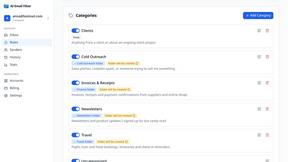
AI Email Filter
AI Email Filter sorts incoming mail into folders using plain-language prompts you write. Works with any IMAP mailbox; bring your own LLM if you want.
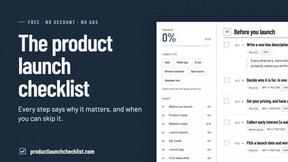
Product Launch Checklist
A free launch checklist for SaaS, apps, AI tools and more. Every step says why it matters and when you can skip it.
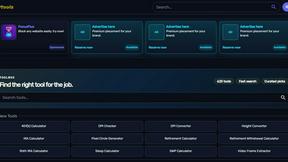
Kody Tools
Free collection of online developer utilities, code formatters, and digital converters designed to streamline your daily workflow.
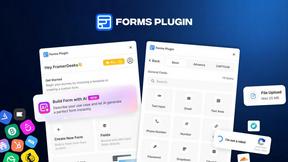
Forms Plugin
The #1 Native Form Builder Plugin for Framer - No Code, No Embeds, No External Platforms.


PerPageFax
PerPageFax lets you send a fax online from any browser for a flat $0.50 per page — no account, no subscription, no fax machine.

AIInLink
AIInLink is a curated platform to discover and submit AI tools, SaaS products, and maker projects, with a unique focus on "vibe coding."
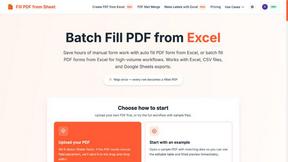
Fill PDF from Sheet
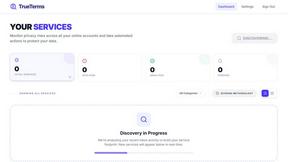
t offers smart mapping to accurately generate individual or batch PDF forms, saving professionals significant time on manual data entry.


Glanced
Follow news, blogs, newsletters, and podcasts in a free RSS reader, with AI summaries, top stories, full-text search, saved searches, and a catalog.
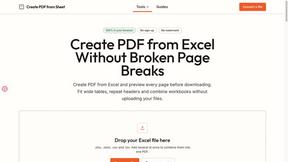
Create PDF from Excel
Create PDF from Excel online and preview every page before downloading. Fit wide sheets, repeat headers, and combine workbooks privately.
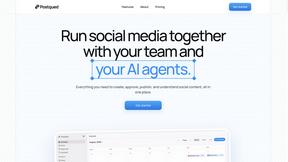
Postqued
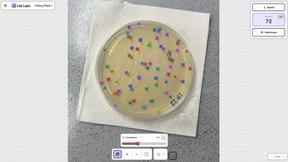
Schedule and publish social content across 10 platforms with one dashboard, API, and MCP built for teams and AI agents.

Reassign.ai
Your whole grind on one 24-hour dial. Drag to time-block, lock your deep-work hour, let Claude replan the rest over MCP. For builders. Free, no card.
About Opal Alternatives
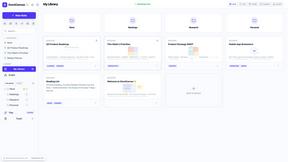
Opal is a visual workspace app that falls into the productivity and project management category. It's designed for those who think spatially, offering an infinite canvas to organize notes, files, and projects visually. This approach leverages spatial memory, helping you remember where information is placed, much like items on a physical desk, to make retrieval quick and intuitive. Users often explore alternatives to Opal for various reasons. Common factors include budget constraints, as subscription pricing models don't fit everyone's needs. Others might seek specific integrations with their existing tool stack, require robust team collaboration features, or simply prefer a more traditional, list-based interface over a visual canvas. When evaluating other options, consider your primary workflow style, essential features like offline access or cross-platform sync, and whether the tool scales with your project complexity and team size.
FAQs about Opal Alternatives
What is Opal?
Opal is a visual knowledge and project management workspace designed for people who think spatially. It provides an infinite digital canvas where you can drag and drop notes, documents, files, and links to organize them visually. This spatial approach helps you remember where things are, making information retrieval instant and reducing the frustration of searching through nested folders.
Who is Opal for?
Opal is built for solopreneurs, consultants, agency owners, writers, and anyone whose business relies on managing many conversations, details, and promises. It's ideal for individuals who feel constrained by traditional, linear apps and lose ideas in nested structures. The app helps keep all active projects, client details, and creative ideas visible and top-of-mind.
What are the main features of Opal?
Opal's core feature is its infinite visual canvas for spatial organization. You can freely drag and drop various elements like notes, documents, and web links onto this canvas. It leverages spatial memory for easier recall and is designed to keep your entire workflow visible. The app focuses on reducing search time and maintaining your creative or work flow without interruption.
Why choose Opal over other productivity apps?
You might choose Opal if you naturally think and organize information spatially and find traditional folder-based systems limiting. Its strength lies in mimicking how many people work on a physical desk, using location to aid memory. This can lead to faster retrieval of information and a more intuitive, friction-free management of complex projects and scattered notes.