

Alternatives to MCPize
MCPize is a mobile-first marketplace to discover, install, and manage premium MCP servers with one API key and 80% revenue for publishers.
Explore 20 alternatives to MCPize. Compare features, pricing, and find the best fit for your needs.

AppBanana
10,000+ Apps Approved, Yours Next With 10,000+ successful apps, we know exactly what Google wants, and how to get yours approved.

Firma.dev
Pay-as-you-go e-signature API and no-code sending. €0.049 per envelope, no monthly minimums, legally valid in 55+ countries.

Ornold
Ornold MCP lets AI agents control Chromium and antidetect browsers: click, type, read screens, record workflows, replay profiles without scripts.
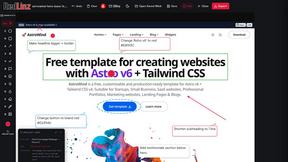
RedLinz
RedLinz turns screenshots into AI prompts by letting you circle and annotate exactly what you want an LLM to change.

Locai
Locai lets you run powerful AI models on your own hardware, keeping data private and cutting cloud costs.
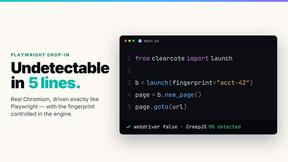
Clearcote
Clearcote is an open-source, de-Googled Chromium drop-in for Playwright and Puppeteer that gives you engine-level fingerprint control for a single.

JustLaunched
JustLaunched helps indie makers schedule launches, reach buyers, and blast across curated directories to get discovered.

Push My App
Push My App generates search-optimized metadata, designs screenshots, scans for rejection risks, and submits directly to Apple and Google from one.
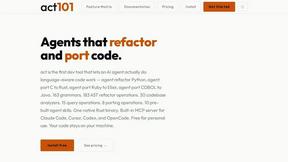
act101
act101 gives AI coding agents 163 language grammars to refactor and port your code directly on your machine.
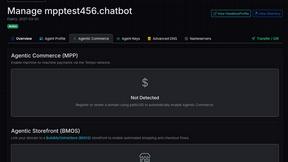
Headless Domains
Headless Domains provides agents with secure, verifiable identities to enhance trust and streamline interactions across platforms.

LoadTester
LoadTester runs HTTP and API load tests from your browser or CI pipeline with live analytics and zero infrastructure to manage.
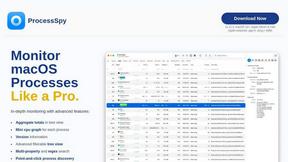
ProcessSpy
ProcessSpy is a powerful Mac process monitor that delivers in-depth insights and advanced filtering for optimal system performance.

Claw Messenger
Give your AI agent its own iMessage number for seamless, instant communication from any device.

Datamata Studios
Datamata Studios empowers developers with free tools and real-time market insights to enhance skills and automate workflows efficiently.
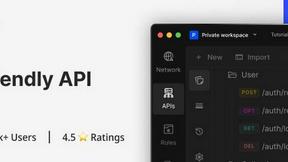
Requestly
Requestly is a fast, git-based API client that requires no login and lets you import from Postman in one click.
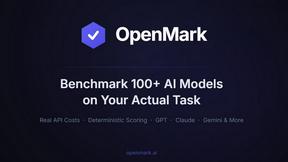
OpenMark AI
OpenMark AI lets you benchmark 100+ LLMs for cost, speed, quality, and stability on your specific tasks without any setup or API keys.

About MCPize Alternatives
If you are building with AI agents or integrating tools like Claude, Cursor, or VS Code into your workflow, you have likely encountered MCPize. It positions itself as the premier marketplace for Model Context Protocol (MCP) servers, effectively acting as a curated App Store for AI. It sits squarely in the Dev Tools category, aiming to simplify how developers discover, install, and manage the servers that give their AI agents access to real-world data and actions. While MCPize offers a compelling package with over 1,000 vetted servers and a generous free tier, users often begin searching for alternatives for a few key reasons. Some developers find the subscription-based revenue model restrictive for their specific use case, while others might be looking for a more open-source or community-driven ecosystem without a central marketplace. Pricing is also a common driver, as teams with high-volume usage might find the consolidated billing model less flexible than direct API management, or they might simply prefer a platform that offers a different curation philosophy or integration path. When evaluating an alternative to MCPize, you should prioritize the core pillars that make an MCP server platform trustworthy and efficient. First, look closely at the quality assurance process. A platform that lacks rigorous security and protocol compliance checks can introduce vulnerabilities into your agentic workflows. Second, consider the ease of deployment and management. You want a solution that offers a seamless experience for both publishing your own servers and installing third-party ones, ideally with a unified dashboard for tracking usage and costs. Finally, assess the financial model and community support. Whether you are a solo developer looking to monetize a niche tool or a team scaling up, you need a platform that aligns with your budget and offers clear, transparent terms regarding revenue share, API key management, and data privacy. The best choice will balance curation depth with the flexibility your specific development environment demands.
FAQs about MCPize Alternatives
What is MCPize?
MCPize is a purpose-built marketplace and platform for Model Context Protocol (MCP) servers. It functions as a central hub where developers can discover, install, and manage over 1,000 premium, vetted MCP servers that integrate seamlessly with AI tools like Claude, Cursor, VS Code, and ChatGPT. It is designed to bridge the gap between AI agents and the external tools they need, acting as an App Store for the new world of agentic workflows.
Who is MCPize for?
MCPize is designed for two primary groups: developers who want to publish and monetize their own MCP servers, and users—from solo developers to large teams—who need to integrate AI agents with various tools. For publishers, it offers a quick launchpad with 80% revenue retention. For users, it simplifies the experience by offering a single API key, one consolidated bill, and a unified dashboard to manage all their MCP server subscriptions and usage.
Is MCPize free?
Yes, MCPize offers a generous free tier that provides users with 25,000 requests per month with no credit card required. This allows developers and teams to test the platform and integrate MCP servers into their workflows without any upfront financial commitment. Beyond the free tier, the platform operates on a subscription-based model for accessing premium servers.
Is MCPize secure?
Yes, security is a core feature of MCPize. Every single server listed on the platform undergoes a rigorous 7-dimension quality audit that specifically checks for protocol compliance, OAuth security, and overall reliability. This vetting process ensures that users can plug in servers without worrying about shady or broken tools, providing a robust trust layer for all agentic workflows.