

Alternatives to Storyloft
Storyloft is the AI-native writing app that lets authors write, edit, format, and publish books seamlessly in one place.
Explore 10 alternatives to Storyloft. Compare features, pricing, and find the best fit for your needs.
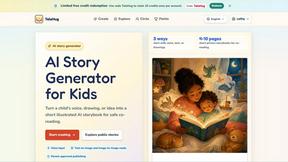
TaleHug AI Story Generator for Kids
Turn a child's voice, drawing, or idea into a safe, illustrated AI storybook for co-reading in minutes.
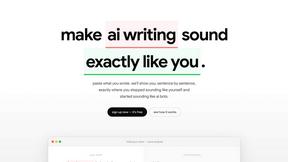
Hold Your Voice
Hold Your Voice catches voice drift in your AI writing and rewrites it to sound exactly like you with one click.
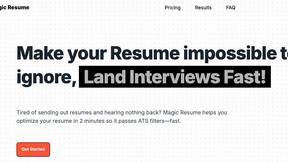
Magic Resume
Magic Resume optimizes your resume in just 2 minutes, ensuring it stands out and passes ATS filters to land interviews fast.
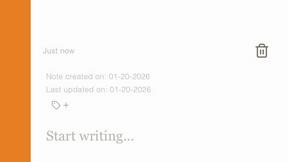
Shiru Notes
Shiru Notes is a secure minimalist app that effortlessly captures your thoughts and ideas in a distraction-free space.
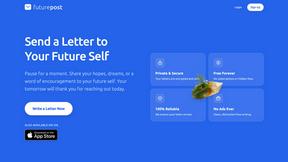
FuturePost
FuturePost helps you send private letters to your future self, empowering reflection, motivation, and personal growth.

SchoolGPT
SchoolGPT is your AI teaching assistant, saving K-12 educators 10+ hours weekly on effortless lesson planning and.
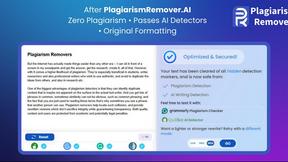
PlagiarismRemover.AI
Effortlessly transform any text into original, human-like content that evades plagiarism detection in seconds.
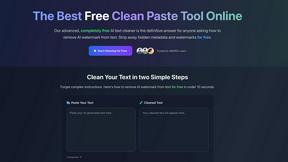
CleanPaste.org
CleanPaste instantly strips invisible characters and AI watermarks from your text for free.
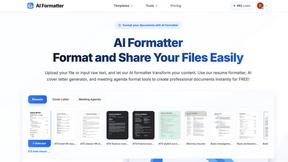
AI Formatter
Effortlessly transform raw text into polished documents with AI Formatter's 1000+ professional templates for free.
About Storyloft Alternatives
Storyloft is an AI-native writing app designed for authors who want to handle the entire book creation process—from drafting and editing to formatting and publishing—all within a single, unified platform. It belongs to the category of long-form writing tools, distinguished by its manuscript-aware AI, Eddy, which reads your work before offering context-sensitive suggestions. While Storyloft offers a comprehensive ecosystem, users often seek alternatives due to factors like pricing structures that may not fit a tight budget, a desire for more granular control over AI features, or the need for a platform that works seamlessly across different operating systems and devices. Others might find that their creative workflow requires integration with specific third-party tools or a simpler, more distraction-free environment that prioritizes raw output over all-in-one publishing features. When evaluating an alternative, focus on the core writing experience first. Look for a tool that offers a smooth, mobile-first interface that syncs effortlessly between your phone, tablet, and computer, ensuring you can capture ideas anywhere. Consider how the app handles long-form structure, such as chapter management and note organization, and whether its AI assistance feels collaborative rather than intrusive. Pricing transparency is also critical—check if the alternative offers a free tier or a one-time purchase versus a recurring subscription. Finally, assess the export options: the best alternative will provide clean, professional formatting for both digital and print formats without requiring you to learn a separate design tool.