

Alternatives to diffray
Diffray's AI agents catch real bugs in your code, not just nitpicks.
Explore 20 alternatives to diffray. Compare features, pricing, and find the best fit for your needs.
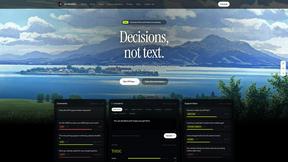
JevModel
Use the Jev model for structured AI decisions: Choice, Score and Noul. Test text or JSON, build decision flows, process batches and call the API.

MD to Text
Convert Markdown to clean plain text instantly in your browser. Formatting stripped, readable output ready to copy - fully private, no sign-up.
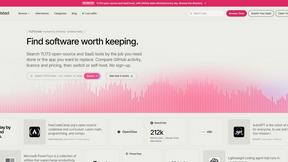
Enlisted
Search 20,000+ open-source and SaaS tools by the job you need done or the app you want to replace.
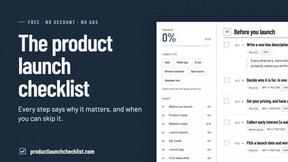
Product Launch Checklist
A free launch checklist for SaaS, apps, AI tools and more. Every step says why it matters and when you can skip it.

layahost
Moderation, routing, intent and scoring for any text over one Jev-compatible API, hosted in the EU.
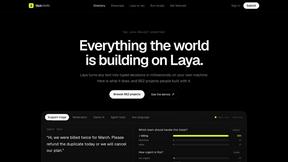
laya.tools
Free directory of 950+ projects built on Laya, the open-source model that turns text into typed decisions. Ports, SDKs, agents and demos.
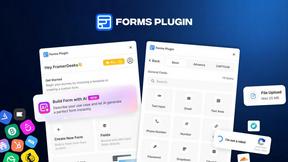
Forms Plugin
The #1 Native Form Builder Plugin for Framer - No Code, No Embeds, No External Platforms.

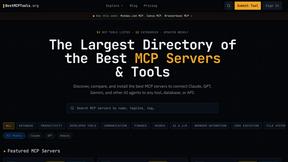
AkraLabs
Where modern software products get discovered, launched, and distributed. Explore verified AI tools, SaaS startups, and developer software.
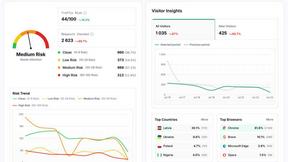
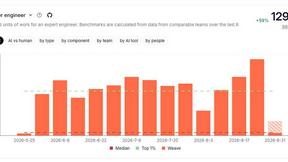

AppBanana
10,000+ Apps Approved, Yours Next With 10,000+ successful apps, we know exactly what Google wants, and how to get yours approved.
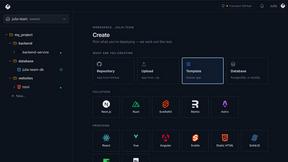
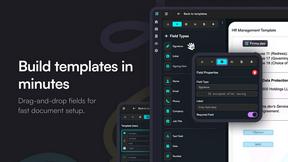
Firma.dev
Pay-as-you-go e-signature API and no-code sending. €0.049 per envelope, no monthly minimums, legally valid in 55+ countries.

Ornold
Ornold MCP lets AI agents control Chromium and antidetect browsers: click, type, read screens, record workflows, replay profiles without scripts.
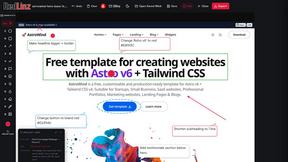
RedLinz
RedLinz turns screenshots into AI prompts by letting you circle and annotate exactly what you want an LLM to change.
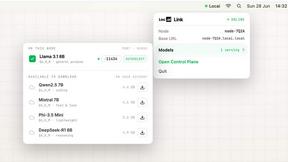
Locai
Locai lets you run powerful AI models on your own hardware, keeping data private and cutting cloud costs.
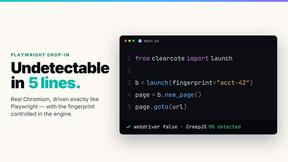
Clearcote
Clearcote is an open-source, de-Googled Chromium drop-in for Playwright and Puppeteer that gives you engine-level fingerprint control for a single.

JustLaunched
JustLaunched helps indie makers schedule launches, reach buyers, and blast across curated directories to get discovered.
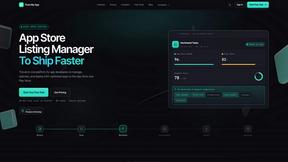
Push My App
Push My App generates search-optimized metadata, designs screenshots, scans for rejection risks, and submits directly to Apple and Google from one.
About diffray Alternatives
diffray is a specialized AI-powered code review platform in the development tools category. It uses a team of over 30 expert AI agents to catch real bugs and security issues by analyzing your full codebase, not just the changed lines. This approach dramatically reduces false positives and helps developers ship higher-quality code faster. Users often explore alternatives for various reasons. These can include budget constraints, the need for different feature sets, or specific integration requirements with their existing tech stack. Some teams might also be looking for a different approach to AI assistance or a platform that aligns with their team's specific workflow preferences. When evaluating other tools, focus on what matters most for your team's productivity. Key considerations include the accuracy of feedback and the rate of false positives, the depth of code analysis beyond simple line changes, the specialization of the AI in critical areas like security and performance, and how seamlessly the tool integrates into your existing developer workflow without becoming a distraction.
FAQs about diffray Alternatives
What is diffray?
diffray is an AI-powered code review platform that uses over 30 specialized AI agents to catch real bugs and critical issues in your code by analyzing your entire repository for context.
Who is diffray for?
diffray is built for development teams who want intelligent, context-aware code reviews that cut through noise, reduce false positives, and help ship higher-quality code faster.
What are the main features of diffray?
Its core features are a multi-agent specialized architecture for expert-level analysis and full codebase context awareness to catch issues that require a holistic view of the project.
Why choose diffray?
Teams choose diffray for its high accuracy, which leads to an 87% reduction in false positives and a 3x increase in catching critical issues, transforming the code review process.